
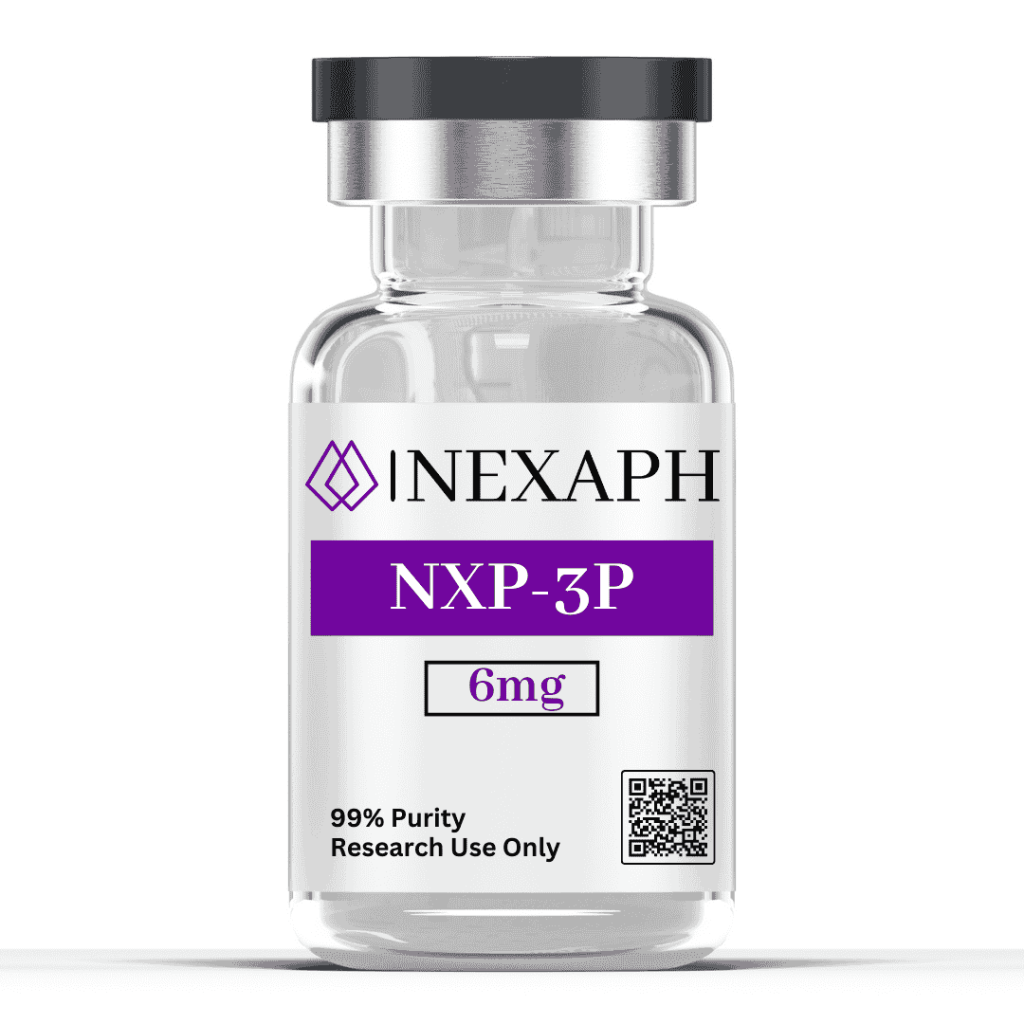
NXP-3P (10 vials/Kit)
Price range: $198.00 through $828.00
This product is intended as a research chemical only. This designation allows the use of research chemicals strictly for in vitro testing and laboratory experimentation only. All product information available on this website is for educational purposes only. Bodily introduction of any kind into humans or animals is strictly forbidden by law. This product should only be handled by licensed, qualified professionals. This product is not a drug, food, or cosmetic and may not be misbranded, misused, or mislabeled as a drug, food, or cosmetic.
Nexaph NXP-3P overview
Nexaph NXP-3P is presented as a research-use kit containing 10 vials and is listed by the brand in multiple strength options, including 6 mg, 12 mg, 24 mg, and 48 mg variants. On the brand’s website, NXP-3P appears within the peptide category and is positioned as a product intended strictly for laboratory research, educational reference, and related investigational settings rather than personal, veterinary, or therapeutic use. That distinction is important for product page content because it helps set accurate expectations for research buyers, procurement teams, and laboratory users looking for clearly labeled materials for controlled environments.
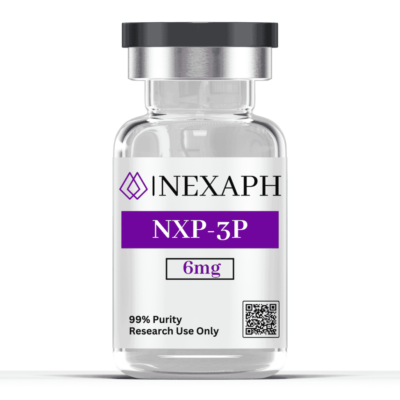
Nexaph NXP-3P; research and educational purposes
For institutions, independent labs, and technically informed purchasers, product clarity is often just as important as naming consistency. A page for Nexaph NXP-3P should therefore communicate the essential identifying information in a straightforward way: the product name, the kit size, the available vial strengths, the brand source, and the research-only status. Based on the available product pages, Nexaph offers NXP-3P as a 10-vial kit with several mg options so users can select the format most appropriate to their internal research workflows and documentation needs. This type of packaging may be useful for organizations that require multiple vials for repeated bench work, staged analysis, inventory planning, or batch-based laboratory handling procedures.
A strong educational product description also benefits from explaining what the listing does and does not claim. In this case, the available source material does not provide a detailed technical monograph, mechanism summary, study protocol, or complete analytical specification directly on the public product page. For that reason, the most accurate approach is to keep the description grounded in verified page-level details rather than introducing unsupported claims. That means focusing on the format, brand presentation, product category, and handling context instead of overstating intended outcomes. This keeps the copy more compliant, more trustworthy, and more useful for users who value factual presentation.
Nexaph’s broader website messaging emphasizes scientific discovery, laboratory research use, and age-restricted access, with explicit statements that products and information are provided for laboratory research use only and are not intended for use in or on humans or animals. Including this context on the NXP-3P page is valuable because it aligns the product listing with the site-wide compliance framework already visible on the brand’s platform. It also helps reduce ambiguity for visitors who may be comparing multiple peptide listings and need a clear understanding of the permitted context for purchase and reference.
From a cataloging perspective, Nexaph NXP-3P can be described as a branded peptide research product supplied in a 10-vial kit configuration. The currently visible public listing associates the product with multiple strength selections, which suggests that customers or lab buyers can choose between several concentration formats depending on inventory preferences or internal project requirements. Where exact internal use standards differ from one lab to another, having multiple options can simplify SKU selection and documentation. A product description written for educational and research purposes should therefore mention the selectable strengths in a concise, factual way without implying any clinical application.
For web usability, the nexaph NXP-3P page should remain easy to scan. Researchers and buyers often look first for the product name, packaging, strength options, category, and any restrictions tied to handling or intended use. Presenting these elements early in the copy makes the page more functional. Helpful supporting language can explain that the listing is designed for research-focused audiences seeking a clearly labeled kit format from the Nexaph catalog. It can also note that the product is available through the company’s official channels and appears alongside other peptide-related research items on the brand’s website.
Another useful angle for educational copy is consistency in terminology. Referring to the item as “Nexaph NXP-3P,” “NXP-3P research kit,” and “10-vial research kit” can help keep the page understandable without drifting into exaggerated marketing language. Since the product page itself highlights packaging and strength options more than technical study detail, the copy should mirror that reality. Clear, restrained wording is often more credible than trying to make the listing sound broader than the source material supports.
In practice, a well-structured Nexaph NXP-3P description should help a visitor answer a few basic questions quickly: What is this item called? How is it packaged? What options are available? What type of catalog category does it fall under? Is it intended for research only? Based on the currently available Nexaph and Nexaph Store pages, those questions can be answered with reasonable clarity: it is a Nexaph-branded peptide listing, sold as a 10-vial kit, offered in multiple mg options, and framed within a laboratory research-only context. That is the strongest verified foundation for a compliant product description.
If you are building a larger product catalog, keeping this same structure across every page will make the site more coherent. Start with the exact product name, state the kit format, list the selectable strengths, identify the product category, and close with a visible research-use disclaimer. This creates a repeatable format for catalog growth while keeping the content accurate and easier to maintain. For Nexaph NXP-3P, that means centering the page on verified product facts, research-only positioning, and consistent product naming rather than unverified performance claims.
| MG | 6MG, 10MG, 12MG, 20MG, 24MG, 48MG |
|---|
Be the first to review “NXP-3P (10 vials/Kit)”
Related products
PEPTIDES
Reviews
There are no reviews yet.